An independent field guide · Cliffside glass cabins
A wide-open view, a considered place to stay
Start with the stay
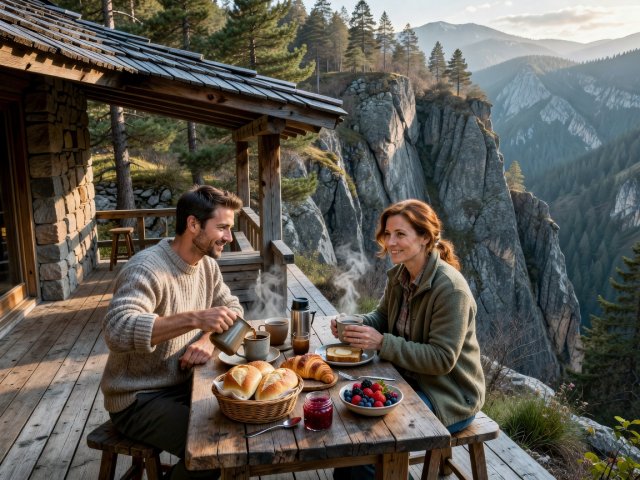
A warm mug beside the window. Somewhere to leave wet boots. A curtain that makes the room your own. The best panoramic stays make space for ordinary life, too.
Cliffside glass cabins pair compact accommodation with expansive glazing and elevated landscapes. This guide helps you judge how those places might actually feel: in daylight, after dark, and when the weather changes.
EXPLORE THE CABIN GUIDE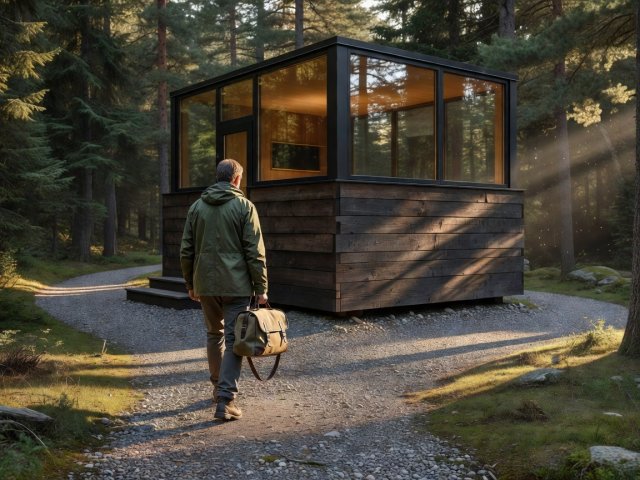
01 / The everyday experience
Life beside the glass
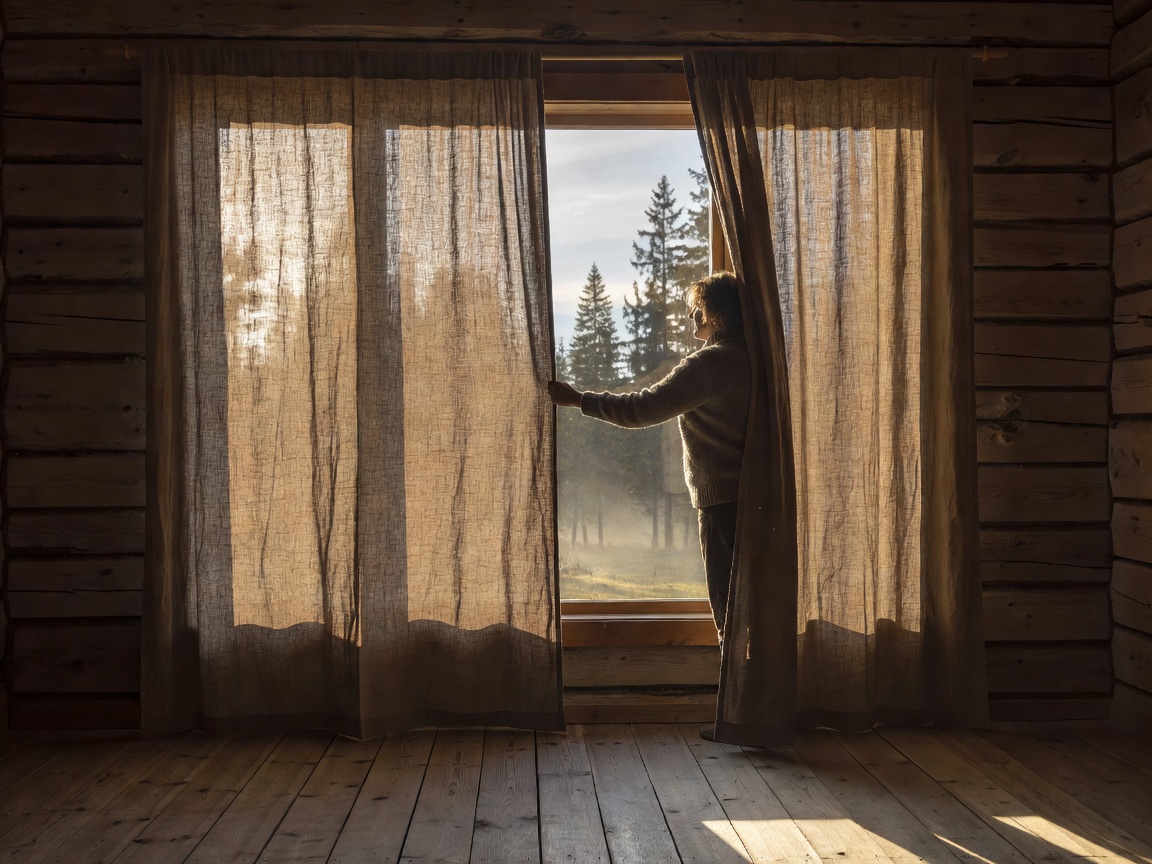
A glass wall changes the rhythm of a room. Breakfast becomes a little longer; an afternoon shower becomes something to watch. But a spectacular window is only part of a good stay.
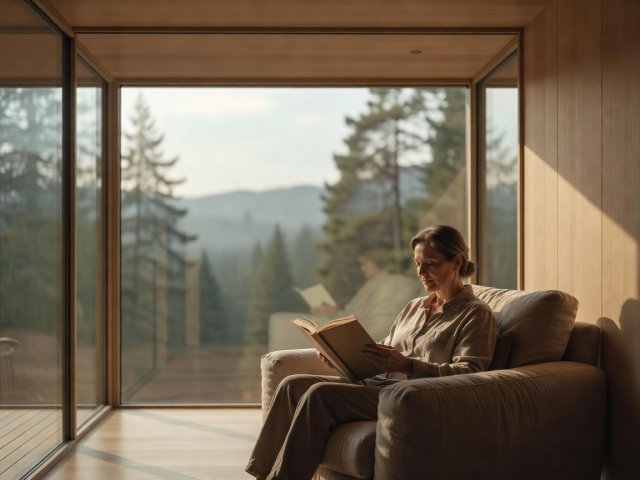
Think about the chair you will read in, where breakfast happens and whether you can darken the sleeping area. A small cabin can feel generous when these details are resolved.
Let the room work for you
Follow a typical day from the first light to a genuinely private evening.
Read about cabin life →02 / Look past the photograph
What the view cannot tell you
Privacy changes after sunset
A window that reflects the landscape by day may reveal a brightly lit interior at night. Ask about blinds, nearby paths and the view from neighbouring accommodation.
Understand privacy →Comfort needs more than a heater
Shading, fresh air, insulation and somewhere dry for outerwear all affect the experience. A room should be enjoyable when the panorama disappears into cloud.
Explore everyday comfort →03 / The last part of the journey
Before the final bend
“Secluded” can mean a quiet driveway, an exposed staircase or a long walk with bags. Ask for the actual route from parking to the door, not simply the distance from the nearest town.
Daylight arrival, offline directions and an agreed bad-weather plan make a remote setting much easier to enjoy.
Picture the whole arrival
Road surface, steps, lighting, luggage and check-in instructions belong on the same checklist.
Plan an easier arrival →04 / Choose the feeling
Find your kind of outlook
Coast and sea cliffs
Open horizons, moving weather and salt-laden air. Check wind shelter, coastal access and how exposed the terrace feels.
Mountain and fjord
Strong seasonal light and dramatic slopes. Check road conditions, winter shade and travel time between services.
Forest and ravine
A closer, quieter outlook with filtered light. Ask about damp paths, insects and whether the view changes with leaf cover.
Dry plateau and escarpment
Long sightlines and big skies. Shade, water provision and the contrast between daytime heat and cooler nights matter.
05 / A little preparation
Pack for the setting
Pack for the route and the room, not just the destination photograph. Confirm what the accommodation provides before adding bulky extras.
- Grippy footwear and an accessible waterproof layer.
- Offline directions and the host’s arrival instructions.
- Any medicines, essential food and drinking-water guidance.
- A sleep mask if seasonal daylight affects your rest.
- A charged phone, suitable cable and a small torch.
06 / Good questions come first
A few things worth asking
Will a glass cabin be private?
It depends on sightlines, curtains and lighting. Isolation in a photograph is not proof of privacy.
Can I stay comfortably in bad weather?
Look for effective heating, ventilation, an indoor place to eat and a realistic access plan.
Read all the answers · How we approach the guide · Suggest a question